4 minute read
Our HR & OHS Coordinator Kait shares her reflections on the WHS Show 2026 as a 1st time attendee.
For many small and regional Victorian businesses, workplace health and safety can feel like another area where the expectations keep growing, while time, people and resources remain stretched.
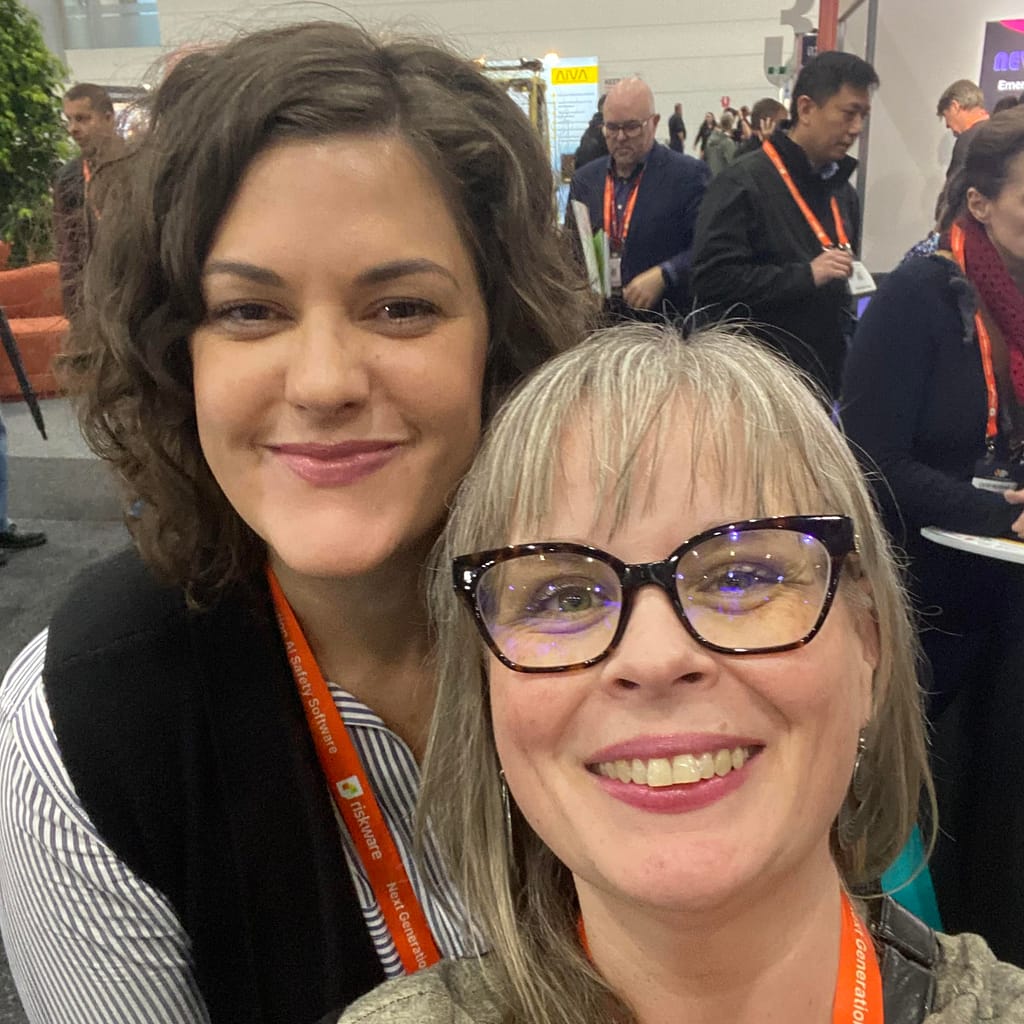
Earlier this month, Tania and I attended the Workplace Health & Safety Show in Melbourne, where we heard from regulators, industry leaders and safety professionals about the issues currently shaping workplace safety. While there was plenty of discussion about technology, systems and compliance, the strongest message we took away was a practical one: safety is no longer just about managing physical hazards.
Businesses are increasingly being asked to think about psychosocial risks, communication, leadership capability and the role workplace culture plays in day-to-day safety and wellbeing. That can sound overwhelming, especially for smaller employers, but the sessions we attended consistently came back to a helpful theme: businesses do not need to be perfect, but they do need to be proactive.
In this article, I’ll share some of the key insights from the event and what they may mean for employers who are trying to manage safety obligations in a practical, achievable way.
Practical Psychosocial Safety Conversations
A few of the standout presentations for us were delivered by Amy from the Victorian Chamber of Commerce and Industry (VCCI). These presentations reinforced that psychologically safe workplaces are not created by HR or safety teams alone; everyone within the workplace contributes to culture and safety, with Managers holding a key position of oversight. They highlighted how important leadership is in shaping workplace culture day-to-day. While systems and policies matter, the way our leaders communicate, respond to concerns, support their teams and step back to see the big picture and connect the dots has the greatest impact within workplaces.
We also appreciated VCCI’s practical approach to psychosocial risk management. Rather than making the topic feel highly technical or compliance heavy, the session focused on meaningful workplace conversations and practical indicators that businesses can review within their own teams.
Importantly, VCCI also shared several useful psychosocial safety resources, including their Psychosocial Health Hub, which includes guidance materials and a psychosocial risk assessment tool for businesses.
Following the session, we also had the opportunity to speak further with the VCCI team about their free OHS Essentials Program and the support available for Victorian businesses navigating workplace safety obligations.
Practical Insights from WorkSafe Victoria
Another standout session came from a WorkSafe Victoria inspector presentation, which provided a practical and down to earth overview of what inspectors are genuinely looking for when attending workplaces.
One of the strongest messages from the session was that businesses do not need to have “perfect systems”, but rather they do need to demonstrate that they are actively identifying risks, having appropriate conversations, and taking reasonable steps to support workers.
The session highlighted that WorkSafe Victoria provides practical advisory support for employers and workers who may be unsure about workplace safety obligations or psychosocial hazards.
WorkSafe’s Advisory Service can be contacted on 1800 136 089 for general workplace health and safety guidance and support.
Emerging Technology & AI in Safety
There is a growing discussion around how AI and technology may support workplace safety systems into the future.
One presentation explored how many businesses are currently still in the testing and exploration phase of AI adoption within workplace safety, particularly around:
- Hazard and incident reporting
- Tracking trends and recurring risks
- Supporting compliance documentation
- Streamlining administrative tasks
Importantly, the focus was less about replacing people and more about how technology may support stronger communication, consistency, and efficiency within workplace safety systems over time.
For many small and regional businesses, these types of tools may eventually help reduce administrative burden and improve day-to-day safety processes.
Women in OHS & Industry Connections
We also attended the Women in OHS panel featuring 5 women on safety across different industries and with varying levels of experience, which highlighted the importance of diverse leadership, lived experience, and collaboration across the health and safety profession.
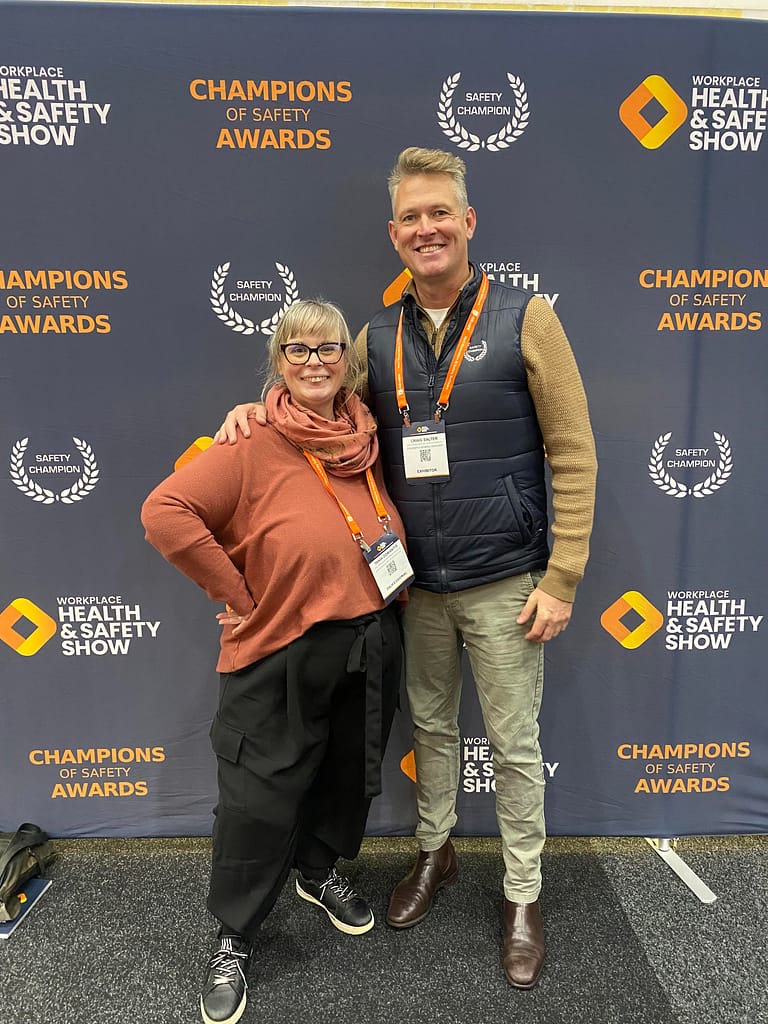
One of the other highlights of the event was catching up with Craig and the team from Safety Champion and Action OHS Consulting; valued partners of Full Circle HR and strong advocates for practical, people-focused workplace safety.
Our Key Takeaway
The clearest message from this year’s event was that creating safer workplaces is not about perfection. It’s about proactive conversations, practical systems, and leadership behaviours that support people well day to day.
For many small and regional businesses, meaningful improvements can often start with simple steps:
- Reviewing workplace communication practices
- Checking in on workload and role clarity
- Supporting leaders to manage difficult situations appropriately
- Encouraging early conversations before issues escalate
- Ensuring workers know where to access support.
Balancing operational pressures with workplace wellbeing and safety can sometimes feel challenging, but there are many practical resources and support services available to help businesses take positive steps forward.
Your Next Step
If you’d like support reviewing psychosocial hazards, workplace wellbeing initiatives, or broader workplace safety practices, reach out to our team by emailing hello@fullcirclehr.com.au.